
Bathroom ventilation: keeping moisture under control
A well-designed bathroom should feel comfortable as well as look beautiful. Ventilation helps remove humid air after a shower and is part of caring for the finishes.
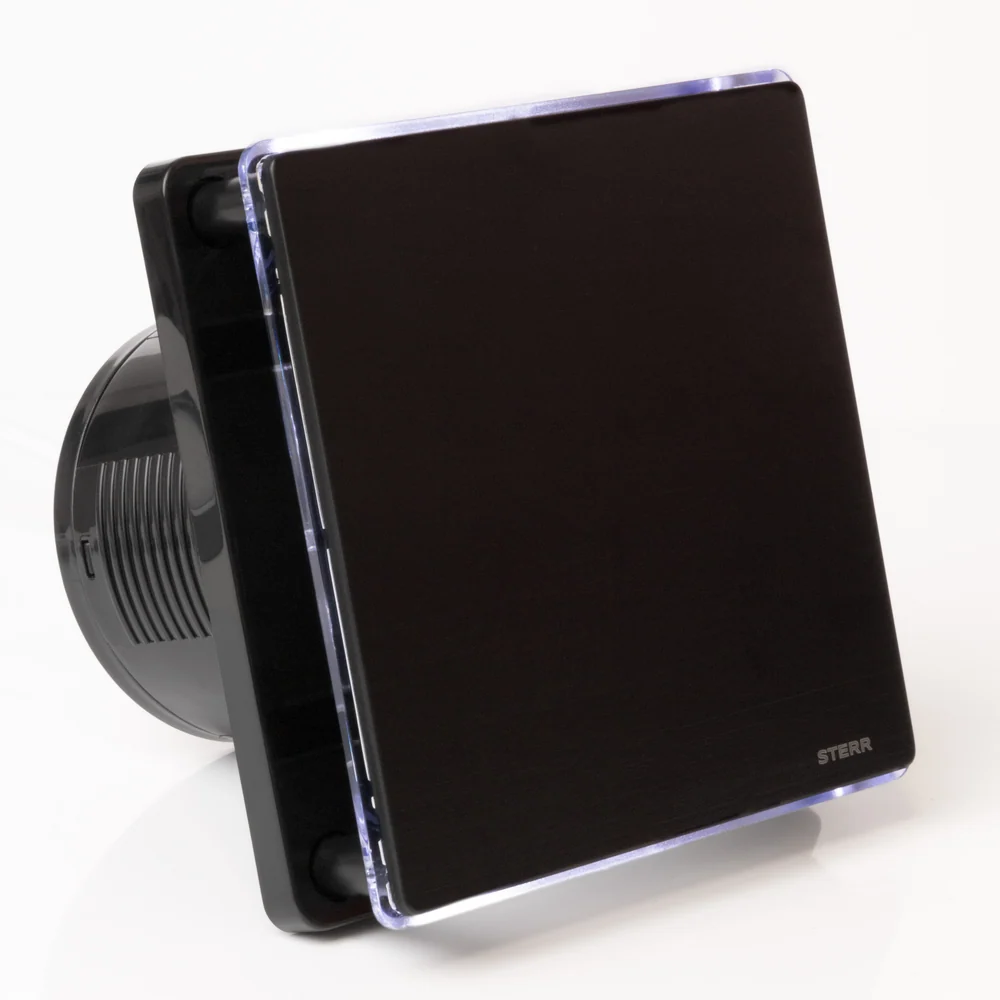
Start with the system you already have
A bathroom renovation does not automatically need a new extractor or a new hole through an external wall. First, identify how the existing ventilation works and whether it is doing its job.
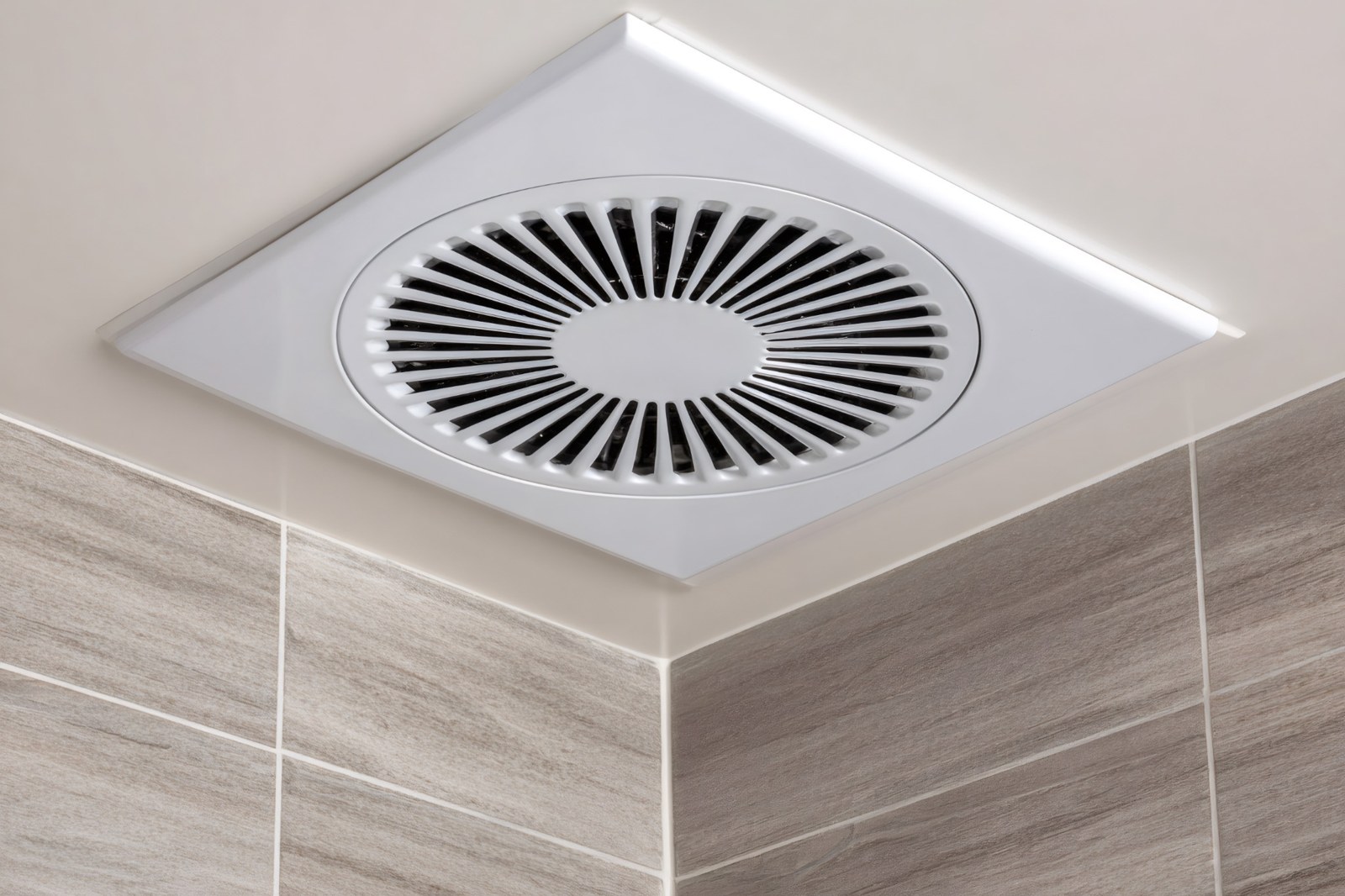
There may be a local fan, a grille connected to a shared building system or an older ventilation arrangement. A grille does not necessarily mean there is a fan immediately behind it.
What are the signs worth checking?
Condensation that lingers, musty smells or recurring mould are reasons to investigate. They do not prove that the fan is the cause: leaks, cold surfaces, heating and daily use can also contribute.
Check that grilles are clean and unobstructed, the duct connection is intact and any existing fan operates as intended. Where performance is uncertain, airflow measurement can help establish what needs attention.
Air needs a way in as well as out
Extracted air must be replaced. The ventilation design may rely on transfer openings or a suitable gap beneath the bathroom door, supplied by the home’s wider air path.
New doors, sealed gaps or altered partitions can affect that path. Preserve the intended airflow when planning the renovation.
If an extractor needs replacing
Choose a fan for the actual installation, not just the largest airflow number on the box. Duct diameter, length, bends and the discharge route influence its performance.
Noise matters too. Compare sound figures under equivalent conditions, and consider vibration, mounting and the duct route. A timer or humidity control may be useful where appropriate to the system.
A local fan must not be added to a shared duct without checking compatibility. It may interfere with the building’s intended ventilation.
What if there is a window?
Opening a window can help with a temporary build-up of humidity, but it does not establish that the required general ventilation is provided. The answer depends on the building and the applicable requirements.
What do Spanish rules say?
The CTE’s DB HS 3 sets requirements for indoor air quality. Its housing ventilation arrangements provide for air to move from dry rooms towards wet rooms, with extraction from bathrooms.
How those requirements apply to an existing property depends on the scope of the work and the building. A bathroom refresh should not be presented as automatically requiring a complete new ventilation installation.
A considered approach to your renovation
At Morfohouse, we assess the existing ventilation and recommend suitable improvements, coordinating specialist work where required.
If a new opening or a change to a communal system is proposed, its feasibility, necessary permissions and specialist work should be established before agreeing the scope and price.
The aim is a comfortable bathroom with effective ventilation—and a clear explanation of what your home actually needs.