
Bathroom wall panels: a practical alternative to tiles
From calm marble effects to bold, seamless-looking shower walls: how to choose the right panel, understand the installation and decide whether panels or tiles suit your bathroom.
The appeal of bathroom wall panels
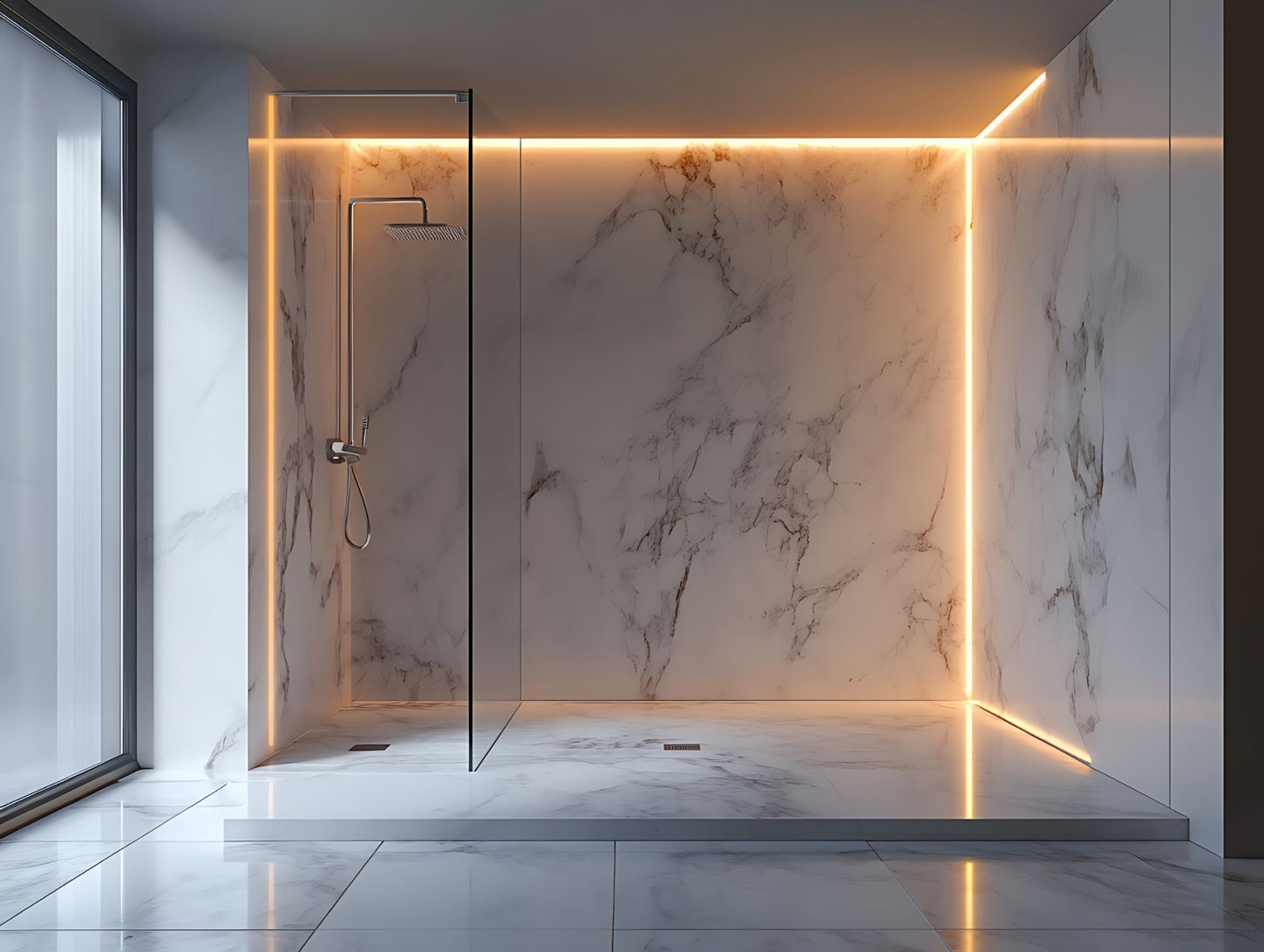
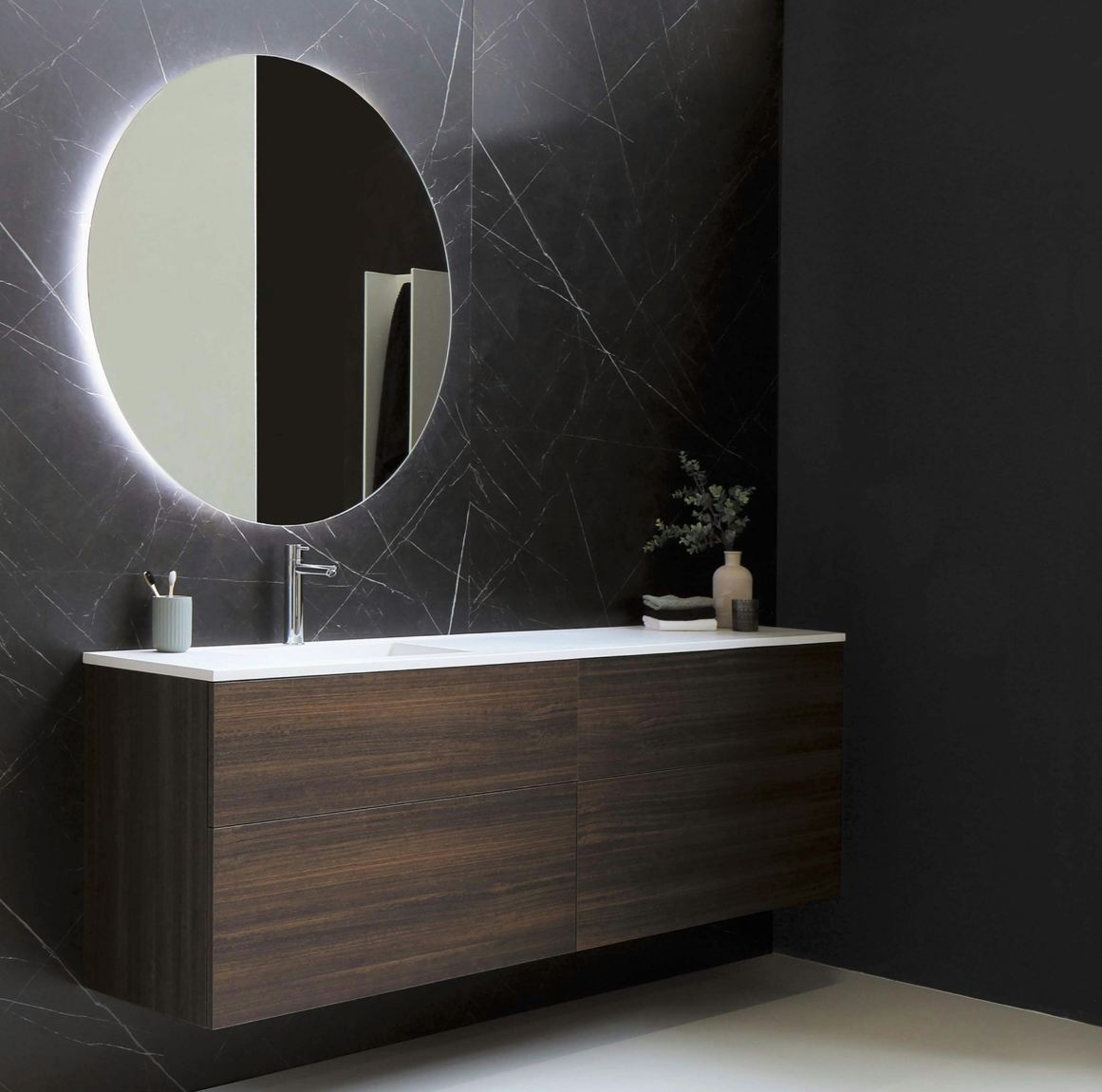
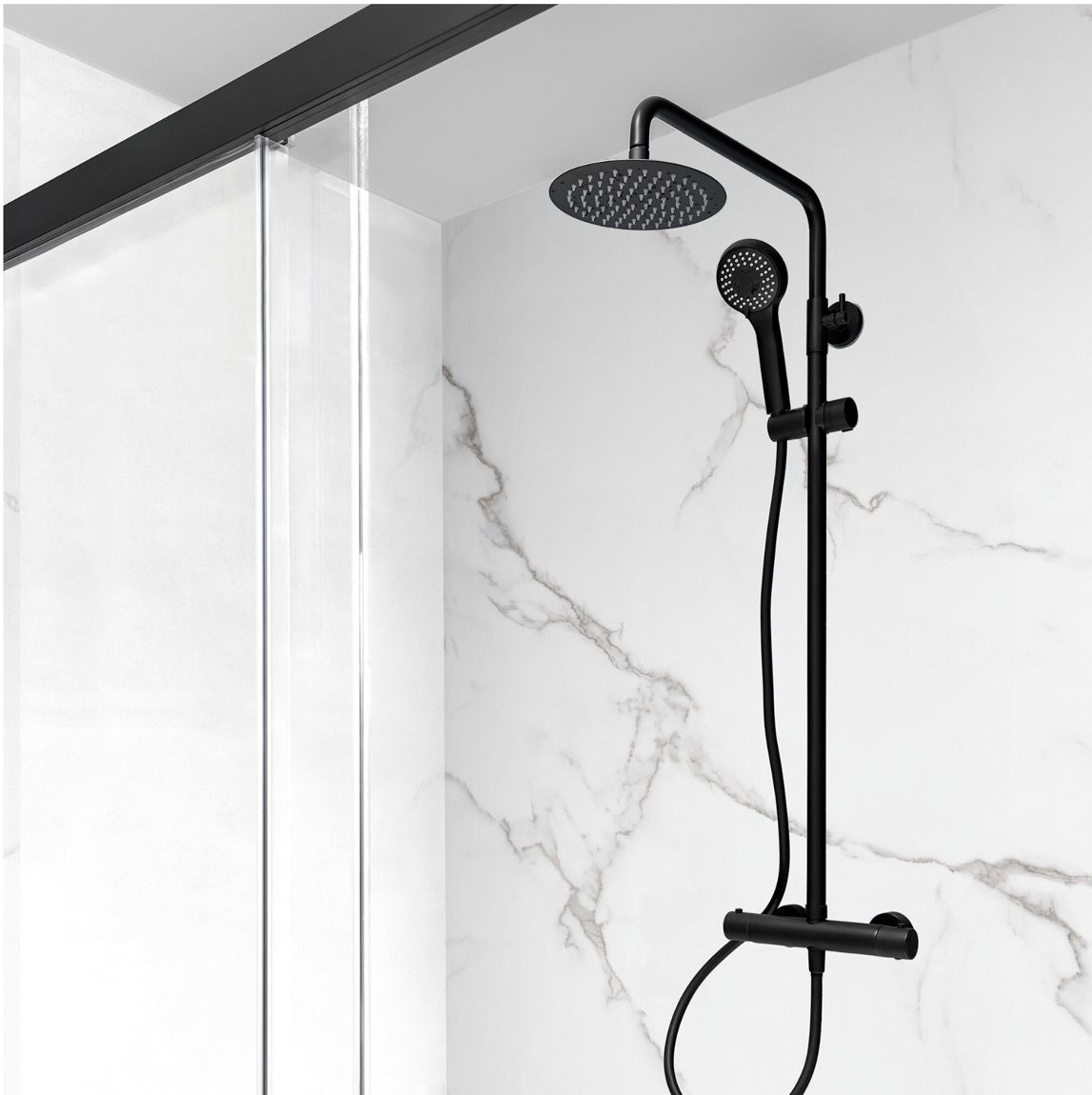
Large-format panels can create the look of a continuous surface with fewer visible joints than small tiles. Finishes range from marble and stone effects to plain colours, concrete and textured looks. The visual impact is often immediate, but the material behind the finish matters just as much.
A panel is not automatically a waterproof shower system. Decorative wall cladding, shower-specific panels and complete waterproof lining systems are different products, with different installation rules.
Which type of panel should you choose?
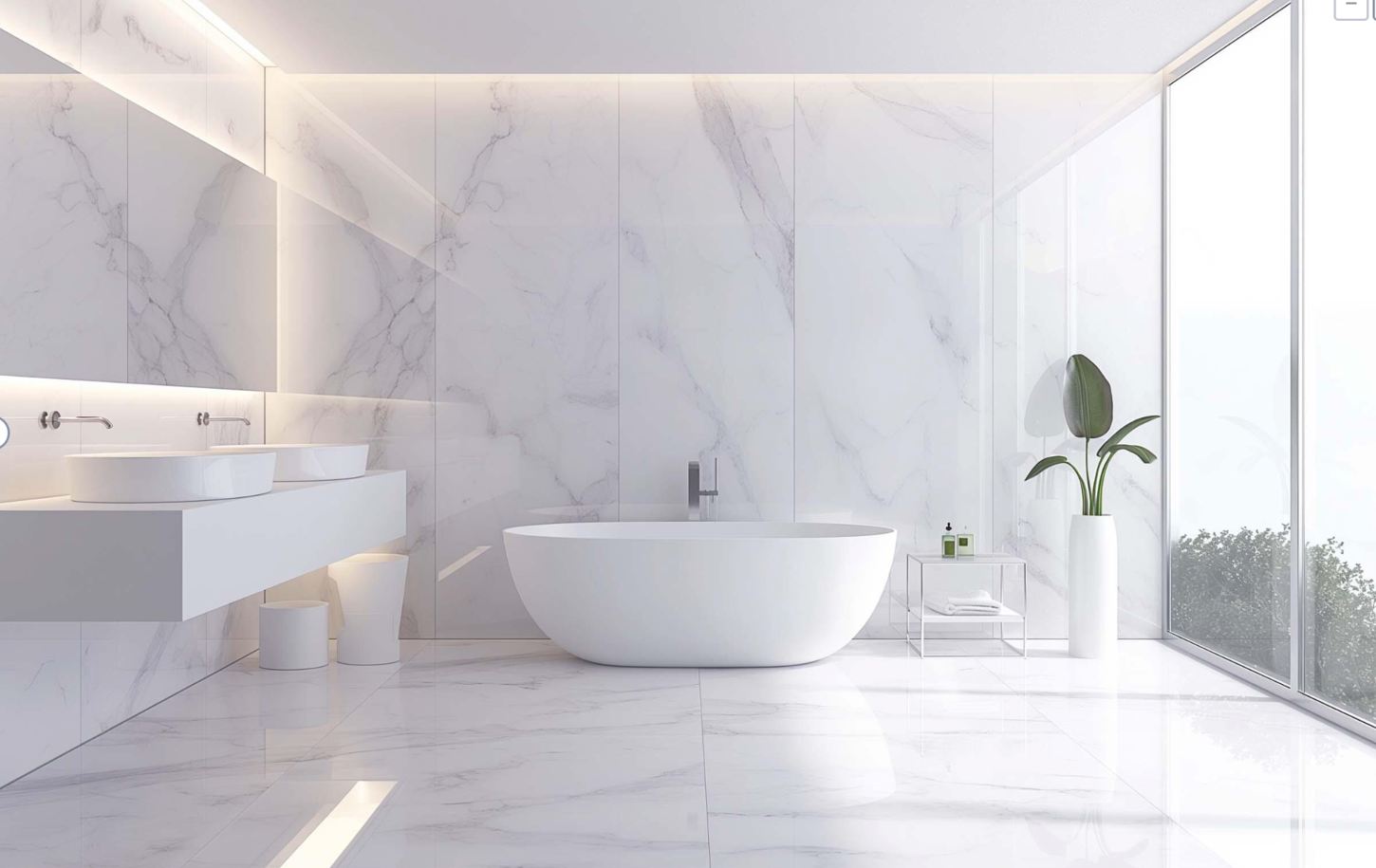
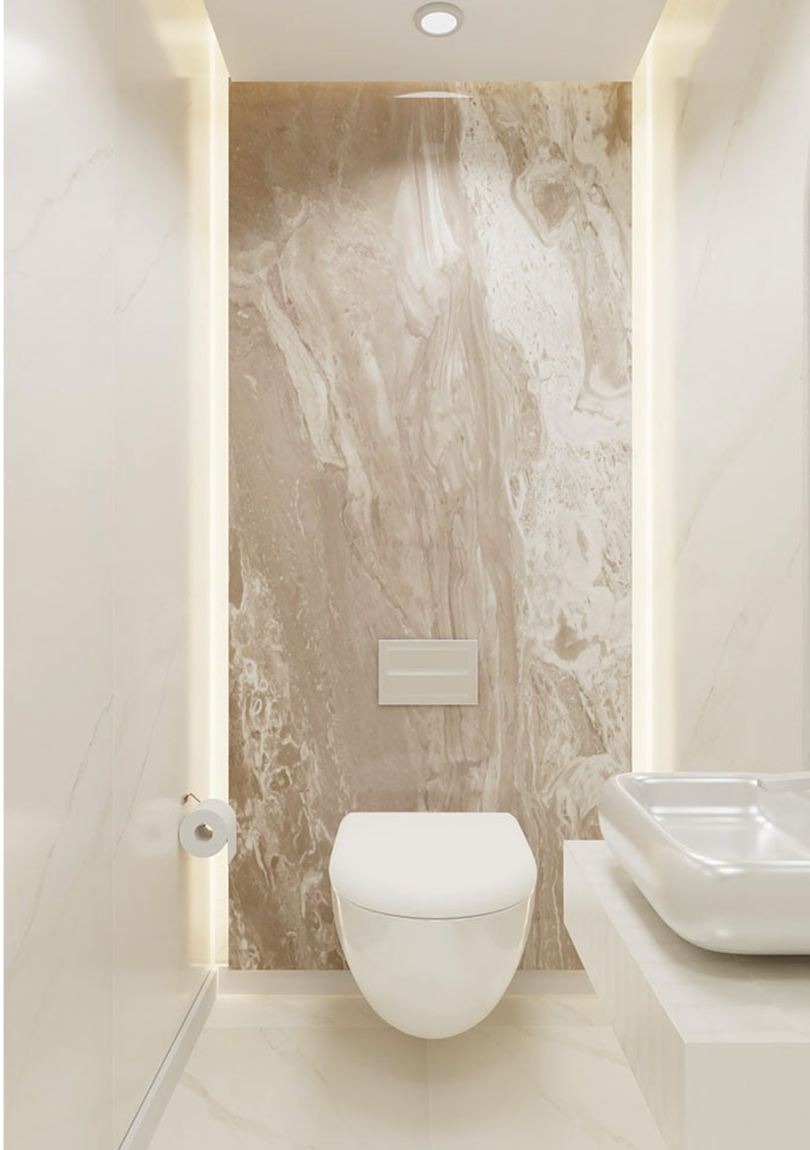
PVC and other polymer decorative panels. Often lightweight and straightforward to handle. Check the product-specific temperature limits, joint details and explicit approval for direct shower exposure.
SPC and mineral-core products. Usually marketed for rigidity and stone-like finishes. Composition, expansion, wet-area suitability and fixing methods vary significantly by range.
Solid-surface, resin and mineral composite panels. May provide a substantial feel and coordinated matching shower trays. Dimensions, weight, repairability and approved adhesives differ by manufacturer.
Aluminium composite panels. Can offer thin large-format cladding with a decorative surface. Edge sealing, substrate requirements and shower approval still need checking.
Complete proprietary wet-room wall systems. A panel, joint, trim and sealant system specified as a whole—such as Fibo—can be engineered and documented for shower zones when installed exactly as instructed.
Panels or tiles: what really changes?
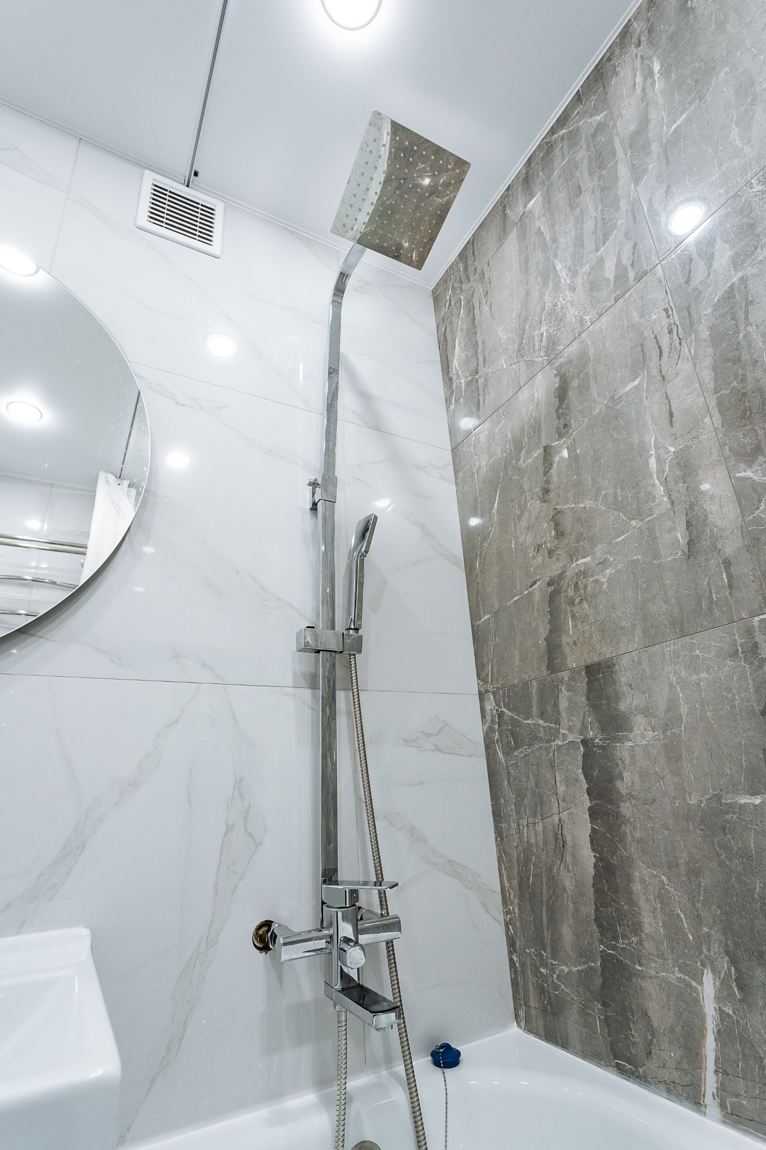
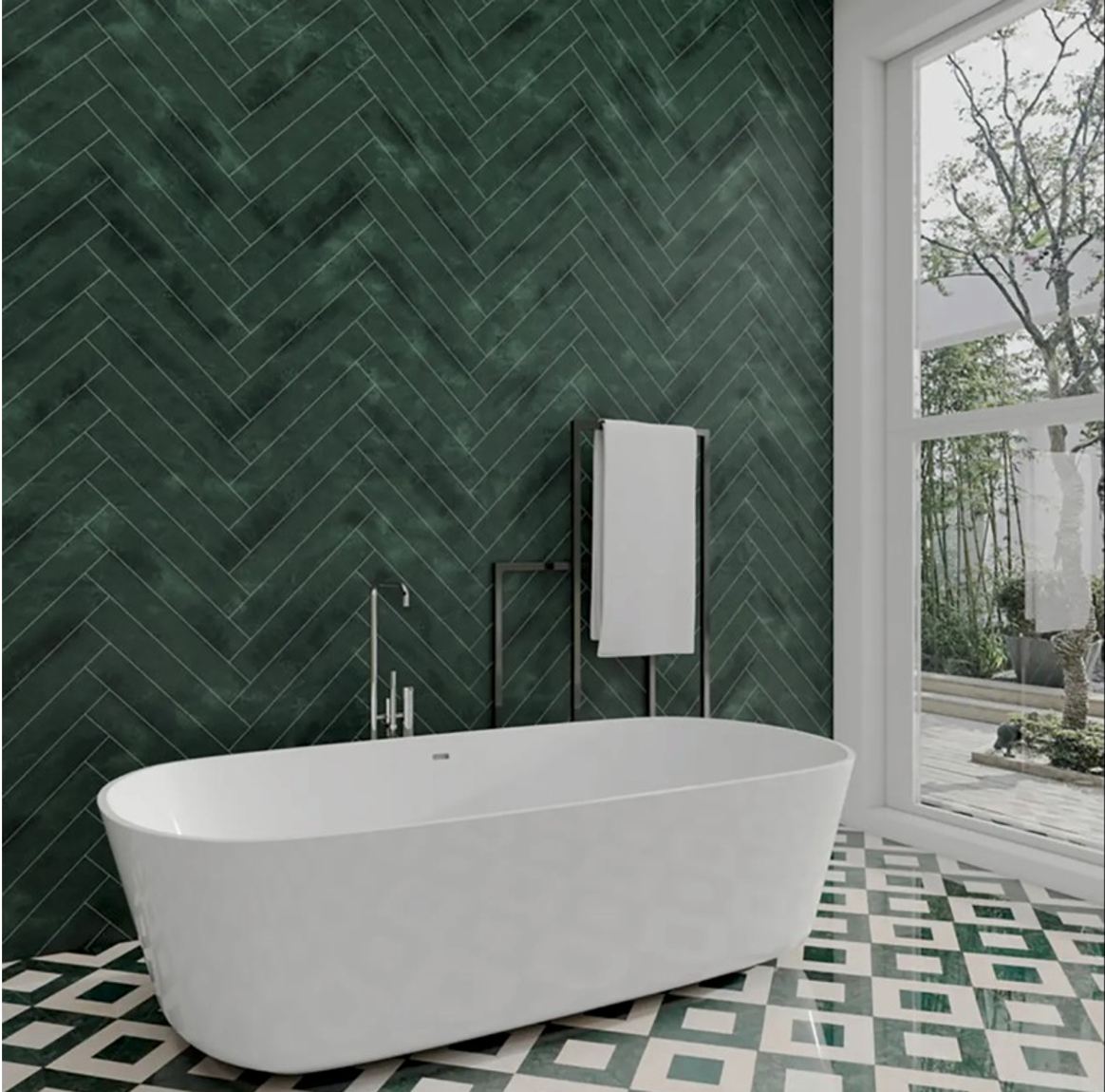
Appearance: panels tend to give larger uninterrupted surfaces; tiles give a wider choice of individual sizes, layouts, grout colours and craftsmanship.
Cleaning: fewer joints can make routine wiping easier; surfaces and sealants still require suitable cleaning and inspection.
Installation: panels may reduce cutting and grouting time on appropriate walls, but measuring, substrate preparation, detailing and finishing remain essential.
Repairs: replacing one tile can be simpler than replacing a damaged full-size panel; some composite surfaces can be repaired by approved methods.
Cost: compare installed totals, including preparation, removal, accessories, waste, waterproofing and labour—not simply the cost per panel or per tile.
Can panels be installed over existing tiles?
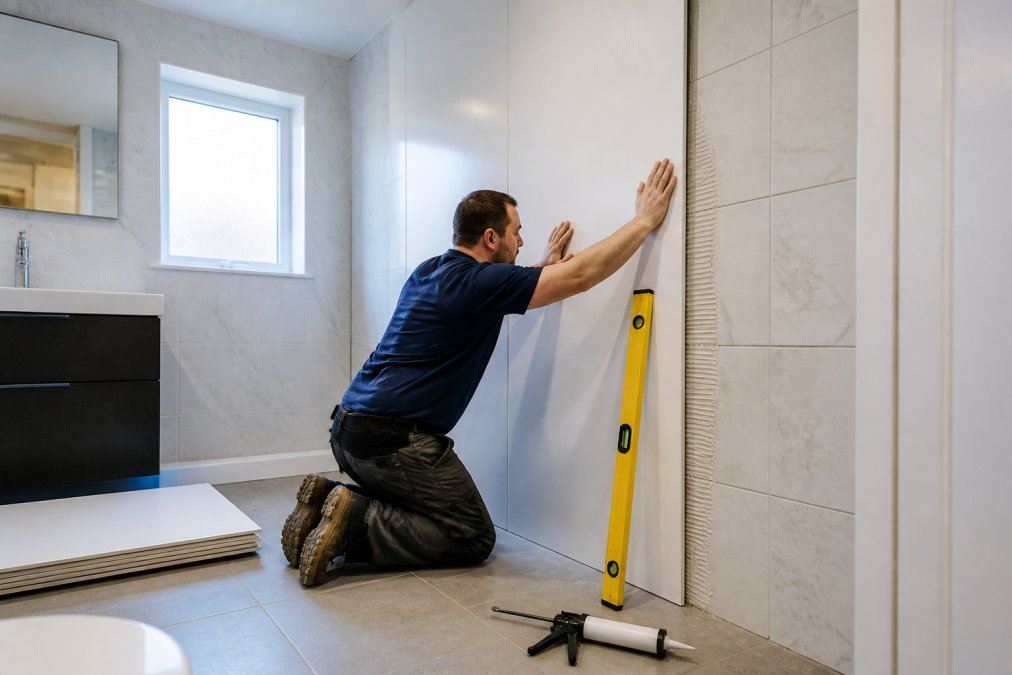
Sometimes, but never assume so. A manufacturer may permit direct bonding to sound, flat, clean existing ceramic tiles using a prescribed primer and adhesive. Another system may expressly prohibit it.
Before deciding, check the condition and adhesion of old tiles, moisture behind them, flatness, wall dimensions, window and door clearances, plumbing penetrations and how the panel meets the shower tray. Covering loose tiles or concealed damp is not a shortcut.
Important example: Fibo says its wall panels must not be installed directly on existing tiles. Other products use different details; always follow the instructions for the chosen system.
What makes a shower installation watertight?
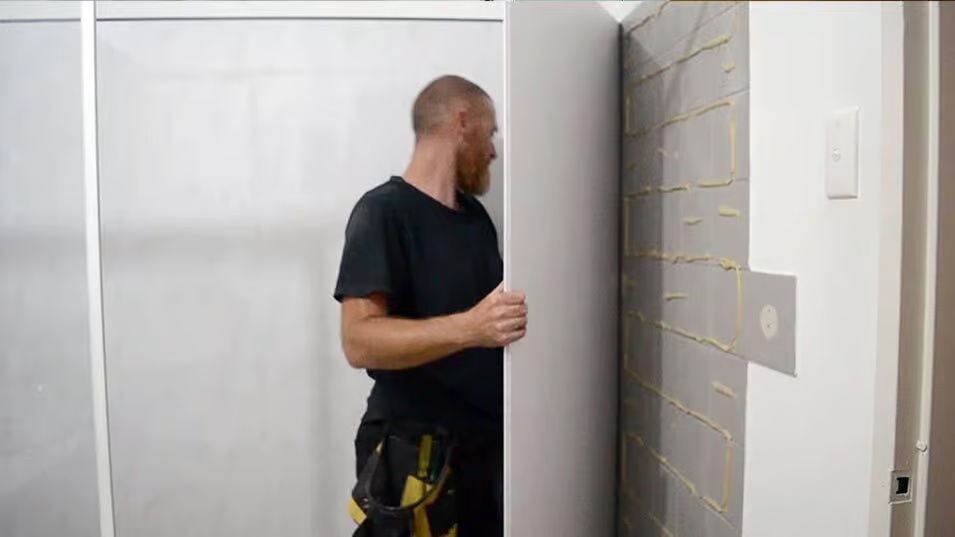
The vulnerable areas are rarely the middle of an undamaged panel. They are the joints, internal corners, bottom edge, junction with the shower tray, pipe penetrations and cut edges.
Inspect the manufacturer’s approved adhesive, profiles, jointing system, sealant, substrate specification and any separate membrane requirement. Confirm the detail where the wall meets the tray and avoid incompatible materials.
Kinedo’s Kinewall instructions show profiles, suitable polymer adhesive and sealing of joins and the tray interface. Fibo requires Fibo Seal at prescribed joints and cut edges and its approved accessories. Those instructions are not interchangeable.
Water resistance of the visible panel does not by itself prove the completed wall is a compliant waterproof system.
What does a good installation involve?
1. Survey the existing wall and identify damp, movement, loose surfaces and plumbing runs.
2. Select a system explicitly suitable for the intended wet or splash zone. Check format, tolerances, substrate and acclimatisation where required.
3. Set out the panel positions, decorative grain and joint locations before cutting.
4. Prepare and level the substrate; add suitable structural backing wherever furniture, screens or other loads are fixed.
5. Cut openings neatly, protect exposed cores and use the manufacturer’s specified fixings, trims and joint method.
6. Complete all perimeter, corner and tray connections, then check finish and any specified curing time before using the shower.
The installation photographs illustrate panel fitting in general. They are not step-by-step instructions for any particular manufacturer.
How much do wall panels cost?
There is no meaningful single price for “a bathroom wall panel”. A thin decorative sheet, a large mineral composite shower panel and a certified integrated wet-room wall system have different material and installation costs.
Ask for a quotation identifying the chosen product and finish, panel dimensions and quantity, substrate works, labour, adhesives, finishing profiles, sealants, waterproofing provision, disposal and VAT. Compare this with a tile quotation covering the same wall area and preparation.
Manufacturers and technical documentation
Kinedo / Kinewall — 2026 Spanish catalogue: decorative shower-wall panels and accessory profiles.
Acquabella — product ranges: coordinated bathroom and shower finishes; check individual product technical sheets.
Nuovvo — installation instructions: dedicated shower-panel installation documentation.
Fibo — technical documentation: wet-room panel system, instructions and technical approvals.
Frequently asked questions
Do wall panels replace waterproofing? Only where the selected, approved system explicitly provides the required waterproofing when installed to its specification. Decorative cladding alone is not proof.
Are panels easier to clean? Fewer grout lines often help, but the surface and joint details still need appropriate maintenance.
Can any installer fit them? The installer should have experience with the specific product and follow its current manual.
Can panels be repaired? It depends on the surface and extent of damage. Ask whether individual panels, trims and matched finishes will remain available.
Would Morfohouse recommend panels or tiles? We compare how each option looks, performs and fits your bathroom and budget; the right choice depends on the area, existing walls and the finish you want.
Design inspiration photographs do not establish the product brand or installation method pictured. Installation examples are illustrative. Always check the current documentation for the product actually selected.